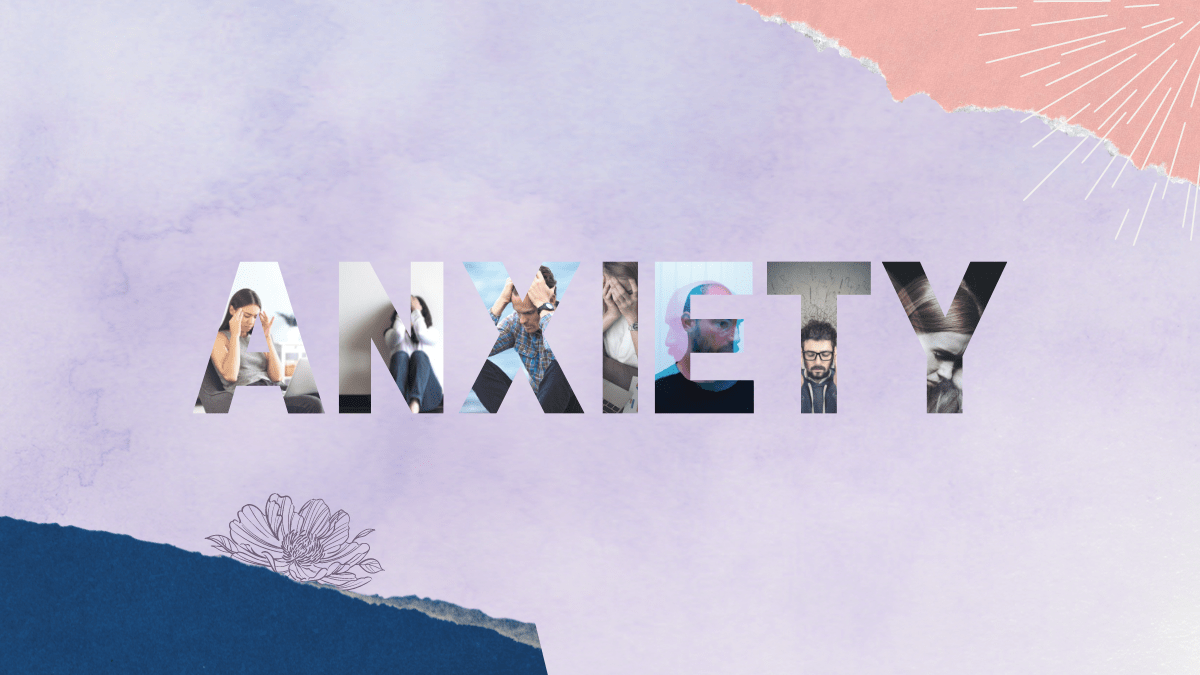
In the last six years, I have felt anxious about specific situations and sometimes I have also had anxiety attacks. Simple conversations with new people, hospital visits for check-ups, and other mundane tasks have made me very anxious. Insecurities about everything from looks to skills are all triggered by anxiety in some way. Staying up late and overthinking the future or any incident is also a part of this vicious cycle. Although I have not been diagnosed with an anxiety disorder, I tend to feel bouts of it during stressful situations.
Anxiety can start with as simple a thing as watching the news repetitively, or dealing with fear over an uncertain future, increasingly tense familial situations, or the general monotony of life – Everything has become tougher. Recent conversations with my friends have revealed that these reasons and more have spiked their anxiety too, and most hesitate to even talk about it. Many say they feel numb and are just waiting for it to pass. And so, in light of my anxiety issues and those of my peers, I would like to share some techniques and lifestyle choices that have helped me deal with anxiety.
- Don’t be ashamed of it
Unfortunately, it is common to see how inconsiderate and insensitive people are about it and barely even acknowledge it as a problem. Many make fun of it, or brush it aside as a problem faced “by many,” acting like it does not exist. On the contrary, anxiety, if left unaddressed, can lead to many physical and psychological problems. Sadly, it has taken a pandemic for at least a decent number of conversations to take place about anxiety. It manifests itself in varied ways in different individuals. The process will also differ depending on the circumstances of the individual, but whatever is the process healing begins with acknowledging it.
2. Don’t be afraid to discuss it
Recently, a friend of mine shared their experience with anxiety about their physical well-being. My friend feared contracting the virus and was constantly in fear of death, this caused resulted in sleepless nights. I have never experienced these fears in great magnitude, but the best I could do was listen to them and offer a bit of encouragement, whilst trying not to overwhelm them. I tried my best to not load them with suggestions to get better instantly, but I prayed for them whilst checking on them from time to time. Eventually, they got better with a few changes in their routine and consulting a doctor regarding other health-related issues.
3. Don’t be afraid to identify it
It helps if you can identify your triggers. Sometimes even a random memory, meeting someone, a specific sound, a clipping from a movie, or certain situations can also be a trigger. This in extreme circumstances can cause violent tremors and visible bodily shaking. Anxiety and panic-related issues can come in when people least expect them, they cannot always be controlled and there is no clear-cut way to deal with these triggers on your own. But therapy, medication, lifestyle changes, or seeking help from a friend helps in such situations.
4. Don’t be afraid to tackle it
Be gentle with yourself and try to address it slowly by getting help. Probably, call a person who is close to you and share what you feel. Again, it does not have to happen instantly. If you feel uncomfortable, start by discussing other topics that interest you and then share what worries you. Some people might choose not to talk about it at that moment and wait for a while to calm themselves down and then talk about it with their friends. Sometimes, when I feel anxious or when I am on the verge of having a meltdown, I try to listen to my worship playlist, do a craft activity, or sew to organize my thoughts. Doing this gives me time to deal with my anxiety, and completely lets my emotions quieten.
5. Don’t be afraid to get help
Ignoring your issues related to anxiety will only make it more severe and unbearable. You do not need to wait until you have an anxiety attack to understand its severity. Nowadays, there is a lot of awareness about the differentiation between a panic attack and an anxiety attack. There is also a lot more guidance these days on how to handle it. Both of these terms are often confused since both have some overlapping symptoms. But they are two different existing conditions. To differentiate and understand both it is best to seek professional help.
A note to those who support
If you are taking care of someone with anxiety, just remember that being there for someone or caring constantly can wear you out and affect you emotionally. This is why it is necessary to
– Take care of yourself as well.
– Prioritize your mental health and acknowledge what you feel.
– Pray and ask for God’s strength to prevail so that you can help rightly.
– Give yourself enough space so you are not overwhelmed.
Reemphasizing, if you feel your anxiety is going out of control, do not be afraid to ask for help. Although but it requires a lot of strength to say that you need it, remember that God cares about every aspect of you including your mental health. Healing ultimately comes from God, and He wants you to be okay. Talk to your loved ones about it and find a good support system, be it, friends or family. They are God’s hands and feet to support and encourage you. So, the next time you hear someone talk about their anxiety, instead of saying, “It’s in your head”, I hope you choose to listen. It might seem like a small task, trust me, you have no idea how much you are helping someone.
The writer is not a clinically trained psychologist or counselor. These notes and suggestions have been written based on their own experience, and based on observing others like themselves. If you need help contact us by hitting the button below.
 Our Daily Masala